
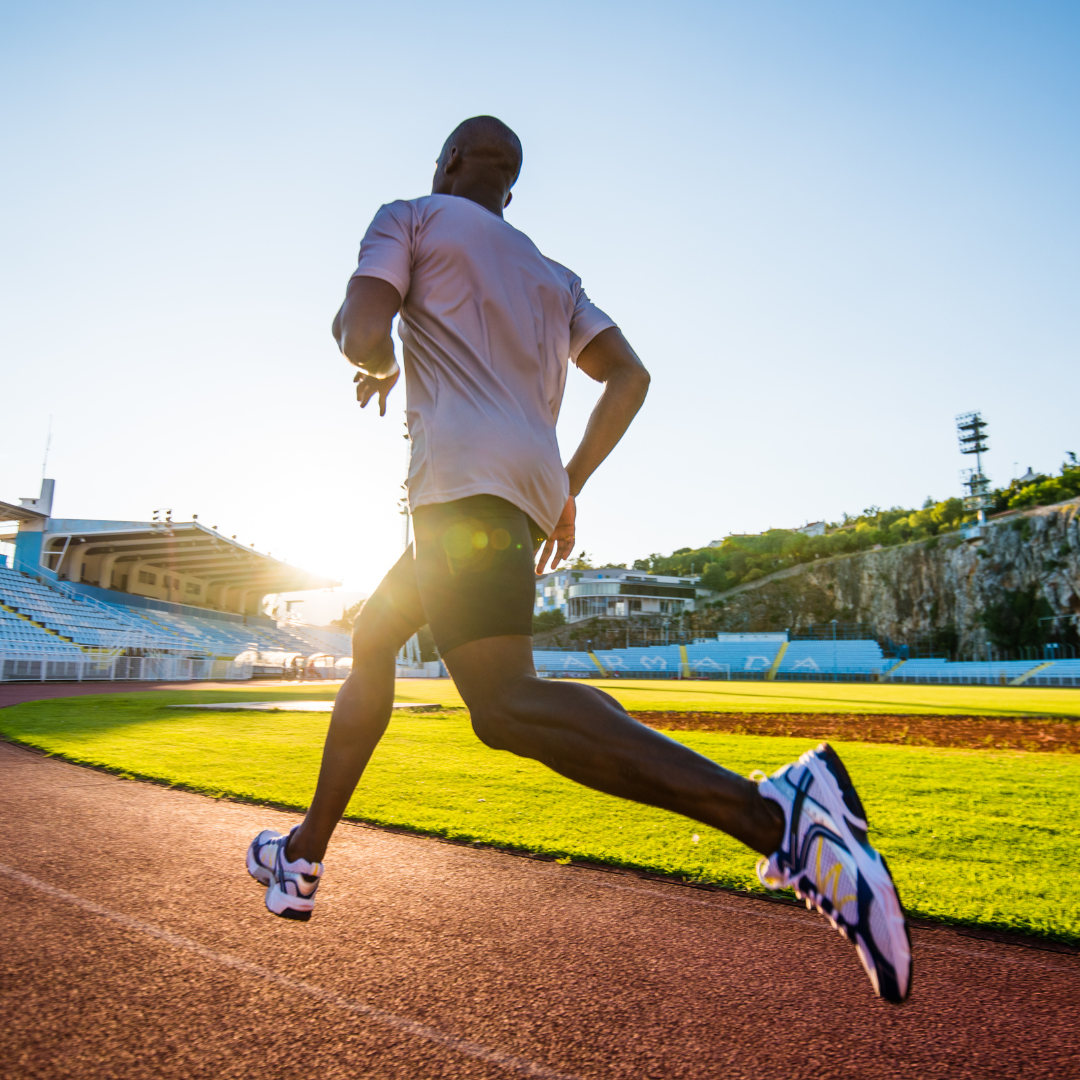
Training like a professional athlete requires consistency, a well-structured plan, and attention to recovery. The key is to combine strength, endurance, and skill work while prioritizing nutrition and rest.
Athletes focus on targeted exercises that improve their specific sport performance, supported by expert guidance and measurable goals. Understanding how to balance intensity with recovery is essential to avoid injury and maintain progress.
This approach doesn’t just involve physical effort; mental discipline and smart planning are equally important. Readers will discover practical methods to integrate these elements into their own training routines.
Developing a Professional Athlete Mindset
A professional athlete’s mindset centers on clear goals, mental strength, and consistent positive reinforcement. Each component plays a significant role in maintaining focus and overcoming setbacks in training and competition.
Goal Setting for Peak Performance
Setting specific, measurable, and time-bound goals is essential. Athletes should break long-term objectives into smaller milestones to maintain motivation and track progress.
Using a training log helps monitor achievements and areas needing improvement. This practice reinforces accountability and highlights patterns in performance.
Goals should challenge but remain realistic to avoid burnout. Reviewing and adjusting goals regularly ensures they stay aligned with the athlete’s evolving abilities and circumstances.
Building Mental Resilience and Toughness
Mental resilience enables athletes to recover quickly from failures and maintain focus under pressure. Developing mental toughness requires consistent practice of coping strategies like controlled breathing and self-reflection.
Facing adversity during training strengthens this trait. Athletes often simulate high-pressure scenarios or fatigue conditions to build familiarity and confidence in responding calmly.
Daily routines that include stress management and positive self-talk support resilience. Tracking setbacks and responses in a journal can clarify triggers and coping effectiveness.
Visualization Techniques and Positive Affirmations
Visualization involves mentally rehearsing successful performance in vivid detail. Athletes imagine executing skills perfectly to build neural pathways linked to those actions.
Pairing visualization with positive affirmations reinforces confidence and reduces negative thoughts. These affirmations should be specific and stated in the present tense, such as “I execute my technique with precision.”
Practicing these techniques daily, preferably before training or competition, strengthens their impact. Consistency and emotional engagement during visualization improve focus and readiness.
Designing a Pro-Level Training Regimen
Building a training regimen requires a careful balance between physical conditioning, skill acquisition, and recovery. Effective programs focus on measurable improvements in strength, endurance, and technique, using structured planning and analysis to optimize progress.
Strength and Conditioning Fundamentals
Strength training centers on compound movements such as squats, deadlifts, and bench presses to develop multiple muscle groups simultaneously. These exercises improve overall power and body composition by increasing lean muscle mass and reducing fat.
Incorporating periodization is essential. This means cycling through phases of high volume, moderate intensity, and peak strength to avoid plateaus and reduce injury risk. A training partner can help maintain motivation and ensure proper form during heavy lifts.
Conditioning drills should complement strength work by focusing on explosive movements, plyometrics, and mobility to enhance athletic performance. The goal is to develop functional strength that translates directly into sport-specific actions.
Endurance and Cardiovascular Training
Endurance training targets cardiovascular efficiency and muscular stamina. Varied workouts like interval training and long, steady-state cardio sessions build cardiovascular endurance systematically.
A mix of high-intensity interval training (HIIT) and moderate-intensity continuous training improves both aerobic capacity and recovery times. Athletes focus on heart rate zones to monitor effort, aiming to progressively increase their threshold.
Recovery days with low-impact activities like swimming or cycling help maintain cardiovascular fitness while preventing overtraining. Tracking endurance gains through measurable metrics such as VO2 max or time-to-exhaustion tests is common.
Skill Development and Video Analysis
Skill development involves repetitive, sport-specific drills aimed at refining technique, reaction time, and movement efficiency. Precision in movement reduces injury risk and improves execution during competition.
Video analysis enables objective critique. Recording practice sessions allows an athlete and coach to identify biomechanical flaws, track progress, and adjust training goals promptly.
Combining feedback with targeted drills enhances muscle memory and decision-making skills. Regular review sessions create a feedback loop that accelerates improvement and aligns physical conditioning with technical ability.
Enhancing Agility, Flexibility, and Recovery
Improving agility, flexibility, and recovery allows athletes to train more effectively and reduce injury risks. Targeted drills, mobility exercises, and recovery methods form the foundation of this approach.
Speed and Agility Drills
Speed and agility drills focus on quick directional changes and explosive movement. Athletes often use an agility ladder to improve footwork, coordination, and reaction time.
Typical drills include shuttle runs, cone drills, and lateral bounds. These exercises develop neuromuscular control and enhance fast-twitch muscle fiber engagement. Consistent practice increases both speed and agility.
Training should vary in intensity and complexity to stimulate progress and prevent plateaus. Proper technique during drills minimizes injury risk and improves performance outcomes.
Flexibility and Mobility Work
Dynamic stretching prepares muscles and joints before high-intensity training. Movements like leg swings and arm circles increase blood flow and range of motion.
Yoga is beneficial for improving overall flexibility and joint mobility. It also promotes balance and muscular endurance, which supports athletic performance.
Regular foam rolling breaks up fascia tightness and aids muscle repair. This application eases soreness and enhances movement quality.
Incorporating both static and dynamic flexibility routines helps maintain tissue health and prevents stiffness.
Effective Recovery Strategies and Injury Prevention
Rest and recovery are essential for muscle repair and sustained performance. Active recovery, such as light swimming or cycling, encourages blood flow without stressing muscles.
Relaxation techniques and stress management mitigate hormonal imbalances that impair recovery. Proper hydration and nutrition further support tissue regeneration.
Injury prevention techniques include proper warm-ups, cooldowns, and avoiding overtraining. Monitoring training load helps athletes balance intensity with adequate rest.
Consistent application of these strategies reduces injury risk and enhances overall training effectiveness.
Optimizing Nutrition and Lifestyle
Proper nutrition and a consistent lifestyle support training intensity and recovery. Athletes must manage macronutrient intake, meal timing, fluid balance, and sleep to maximize performance and adaptation.
Macronutrient Balance for Athletes
Athletes require a precise balance of macronutrients to fuel performance and recovery. Carbohydrates should be 45-65% of total daily calories, focusing on complex carbohydrates like whole grains, fruits, and vegetables to provide sustained energy.
Proteins are essential for muscle repair and should make up about 1.2-2.0 grams per kilogram of body weight daily. Sources include lean meats, dairy, legumes, and plant-based proteins.
Healthy fats, accounting for 20-35% of total intake, support hormone function and inflammation control. Emphasis should be on unsaturated fats from nuts, seeds, olive oil, and fatty fish while limiting saturated fats.
Pre- and Post-Workout Nutrition
Pre-workout meals should be rich in easily digestible carbohydrates with moderate protein, consumed 1-3 hours before exercise. Examples include oatmeal with banana or a turkey sandwich on whole-grain bread.
Post-workout nutrition aims to replenish glycogen stores and support muscle recovery. Within 30-60 minutes after training, intake should combine carbohydrates (1-1.5 g/kg) and protein (20-30 grams). Chocolate milk, a protein shake with fruit, or a balanced meal are practical choices.
Meal timing is critical; it optimizes energy availability and muscle repair, improving training adaptations and reducing fatigue.
Hydration and Sleep for Recovery
Hydration affects endurance, strength, and cognitive function. Athletes should drink water consistently throughout the day and replace fluid lost during exercise, around 1.5 liters per kilogram of body weight lost.
Electrolyte intake, especially sodium and potassium, is important for longer or intense sessions. Sports drinks may be useful in these cases.
Sleep quality and quantity are crucial for recovery, hormonal balance, and mental focus. Most athletes need 7-9 hours of uninterrupted sleep per night. Establishing a routine that limits screen time and stimulants before bed improves rest.