
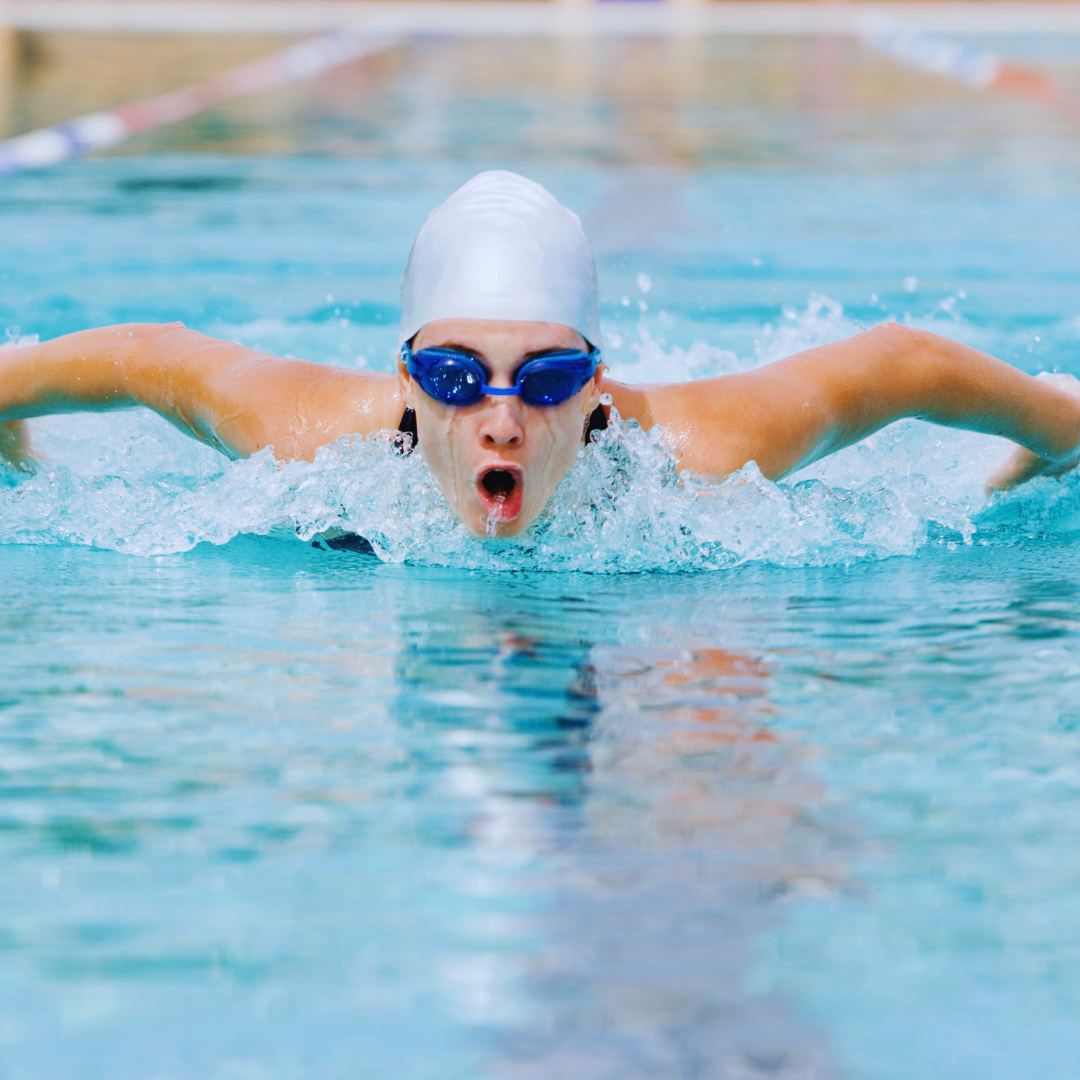
Swimming is a unique form of exercise that engages multiple muscle groups while providing a low-impact workout. Regular swimming sessions can lead to significant improvements in full-body strength, enhancing both muscle tone and endurance. This versatility makes swimming an ideal choice for individuals looking to build strength without the wear and tear associated with traditional weightlifting.
In addition to muscle development, swimming also offers numerous health benefits. It promotes cardiovascular fitness, improves flexibility, and aids in weight management. By incorporating swimming into a routine, individuals can experience a holistic approach to fitness that fosters overall well-being.
Today, access to swimming has become easier than ever, as most communities offer well-maintained swimming pool centres. In addition, many homeowners choose to install swimming pools at home when space allows, making fitness and relaxation more convenient. To ensure year-round use, especially in colder regions, indoor pools or swimming pool heaters are often installed.
For those who want to bring this convenience to their own backyards, choosing the right pool type is a key step. Fibreglass pools have become highly popular because they are quick to install and easy to keep clean. Homeowners can find a variety of pre-made shells and DIY kits from suppliers like https://tranquility-pools.com.au/ to suit different backyard sizes. These options make it much simpler to establish a private space for daily exercise and family recreation.
That said, pools do require regular maintenance to avoid costly repairs. When issues arise, homeowners typically address them promptly by calling a professional pool repair company or pool heater repair company to avoid disruptions. This growing focus on maintenance and accessibility reflects how swimming and its many health benefits have evolved from a seasonal activity into a regular part of everyday wellness routines.
For those seeking an enjoyable and effective way to strengthen their bodies, swimming stands out as a powerful option. The constant resistance of water challenges muscles in a way that dry land activities cannot, making it essential for achieving comprehensive strength gains.
How Swimming Builds Full-Body Strength
Swimming is a comprehensive workout that actively engages various muscle groups, enhancing muscle tone, endurance, and overall body strength. It promotes flexibility and improves core stability, making it an effective and enjoyable option for building strength.
Engaging Major Muscle Groups
Swimming effectively targets major muscle groups, leading to a balanced full-body workout. Different strokes activate various muscles:
- Freestyle focuses on the shoulders, back, and chest.
- Breaststroke engages the inner thighs and glutes.
- Butterfly emphasizes core strength, arms, and chest.
By consistently switching between strokes, swimmers develop strength and coordination in areas often neglected in traditional workouts. This engagement creates a well-rounded fitness approach, reducing the risk of imbalances.
Muscle Tone And Endurance Development
The resistance of water provides a unique environment for building muscle tone and endurance. Each stroke requires sustained effort against this resistance, which is significantly greater than air.
Swimming promotes muscle hypertrophy through repeated contractions, improving both strength and endurance. As swimmers train longer distances, they develop cardiovascular fitness alongside muscle tone. This dual benefit makes swimming a highly effective and time-efficient exercise.
Improved Range Of Motion
Swimming enhances flexibility and range of motion in joints. The fluid movements involved in swimming require the body to stretch and elongate, benefiting muscles and connective tissues.
Keystrokes like the backstroke encourage rotation in the shoulders and hips, enhancing mobility. Regular practice increases flexibility, allowing swimmers to achieve a wider range of motion in daily activities. Improved flexibility also reduces the risk of injury during workouts by keeping muscles and joints functioning optimally.
Core Stability And Balance
A strong core is essential for efficient swimming and contributes to stability and balance in other activities. Swimming engages various core muscles, including the abdominal and back muscles, which support the body in water.
Effective strokes require maintaining a streamlined position, compelling swimmers to engage their core throughout their movements. This engagement enhances balance and stability, promoting better posture on land as well. A strong core not only aids swimming performance but also translates to improved strength in other sports and activities.
Swimming For Injury Prevention And Rehabilitation
Swimming offers a unique combination of benefits that make it ideal for injury prevention and rehabilitation. The resistance of water provides a safe environment for individuals recovering from injuries or managing chronic conditions.
Low-Impact Exercise For Joints
Swimming is a low-impact exercise that significantly reduces stress on the joints. This is particularly beneficial for individuals with arthritis or osteoarthritis. The buoyancy of water supports body weight, alleviating pressure on the joints during movement.
This quality makes swimming an effective option for those recovering from joint replacement surgeries. By engaging in gentle movements, individuals can maintain flexibility and strength without the risk of aggravating their condition. Furthermore, routine swimming can serve to strengthen muscles around joints, contributing to long-term joint health.
Rehabilitation After Injuries
For many, swimming serves as an essential part of rehabilitation after injuries. Physical therapists frequently recommend swimming as it allows patients to regain strength and mobility post-injury. Water’s natural resistance aids in muscle rebuilding while minimizing the risk of further injury.
Every stroke helps improve endurance, flexibility, and core stability, making it suitable for those with back pain or other musculoskeletal issues. Specific techniques, such as breaststroke and backstroke, can be tailored to address individual rehabilitation needs, promoting a safe pathway back to peak physical condition.
Supporting Mobility Issues And Disabilities
Swimming is an inclusive activity that supports individuals with various mobility issues and disabilities. Whether managing chronic pain or recovering from significant injuries, water activities can enhance mobility through gentle movement.
Programs designed for people with disabilities often include swim therapy sessions, emphasizing controlled movements to boost confidence and physical ability. By participating in swimming, individuals can experience improvements in coordination and balance, contributing to overall quality of life. Furthermore, social aspects of swimming programs can lead to enhanced emotional well-being, as they foster connections among participants facing similar challenges.
Ensuring Safety While Swimming
While swimming is highly effective for injury prevention and rehabilitation, it is equally important to take steps to avoid injuries in and around the water. To begin with, simple precautions such as being mindful of wet and slippery poolside surfaces can go a long way in preventing accidental falls. In addition, wearing proper gear like goggles improves visibility and comfort, while avoiding heavy meals right before swimming helps prevent discomfort and fatigue.
Beyond personal habits, the surrounding environment also plays a key role in maintaining safety. This becomes even more important when swimming at home, particularly for children and inexperienced swimmers. Installing features such as pool railing glass can help create a secure boundary around the pool area without obstructing the view. This makes it easier to monitor activity while reducing the risk of accidental slips or unsupervised access.
Similarly, incorporating elements like non-slip flooring around the pool or using secure pool covers can further enhance safety by reducing the risk of falls and preventing unintended access when the pool is not in use.
For homeowners who use a backyard pool for regular exercise, the surrounding setup can also affect comfort and upkeep. Those comparing pool enclosures in Melbourne, FL can consider screened designs that help keep out insects and debris while providing some protection from harsh sun and weather. These features can make the pool area easier to maintain for regular use, though they should complement rather than replace normal pool-safety measures.
Additional Physical And Mental Health Benefits
Swimming not only enhances full-body strength but also provides a variety of physical and mental health benefits. These advantages include improved heart health, better management of diabetes, mood enhancement, and an enjoyable way to stay active.
Cardiovascular Exercise And Heart Health
Swimming is an excellent cardiovascular exercise that strengthens the heart. It increases heart rate without putting excessive strain on the joints. Regular swimming can reduce the risk of heart disease by improving circulation and lowering blood pressure.
As a low-impact, full-body workout, it encourages endurance and stamina. A strong heart also efficiently delivers oxygen throughout the body, enhancing overall physical performance. For individuals with existing heart conditions, swimming may be a safe, effective way to promote heart health.
Positive Effects On Diabetes And Quality Of Life
Swimming plays a significant role in diabetes management. It helps regulate blood sugar levels through enhanced insulin sensitivity and improved glucose metabolism. This physical activity can also combat obesity, a concern for many living with diabetes.
As swimmers engage in regular workouts, they may also experience improvements in their overall quality of life. Enhanced physical fitness leads to increased energy levels, better sleep, and improved functionality in daily activities.
Reducing Anxiety And Depression
Engaging in swimming regularly has positive effects on mental health, particularly in reducing anxiety and depression. The rhythmic nature of swimming promotes relaxation while releasing endorphins, which can improve mood.
Additionally, being in water can provide a calming environment, reducing stress levels. The social aspect of swimming, whether in classes or clubs, contributes to feelings of community and connection, further alleviating mental health challenges.
Fun And Enjoyment In Physical Activity
Swimming is often described as an enjoyable and fun way to engage in physical activity. The versatility of swimming styles allows individuals to find a method that appeals to them. Whether it’s leisurely laps, competitive racing, or water aerobics, options abound.
This enjoyment can lead to increased adherence to an exercise routine. People are more likely to continue activities they find pleasurable, making swimming a sustainable long-term choice for fitness. The playful nature of water can transform exercise into recreation, making workouts feel less like a chore and more like a rewarding experience.