
Choosing the right home gym equipment depends on several key factors, including space, fitness goals, and budget. The best approach is to identify what type of workouts suit your lifestyle and pick equipment that supports those exercises efficiently and safely.
It’s important to consider the durability and versatility of the gear, as well as how much room is available for setup and storage. People who want cardio may focus on machines like treadmills or stationary bikes, while strength trainers may need weights or resistance bands.
Understanding personal preferences and limitations upfront helps avoid wasted money and improves motivation to stay consistent. Selecting equipment tailored to specific needs ensures a better overall workout experience.
Assessing Your Fitness Goals and Needs
Choosing the right home gym equipment depends on a clear understanding of what the individual aims to achieve. It also requires insight into their current fitness condition and the specific muscle groups they want to develop.
Determining Your Fitness Objectives
He or she should start by defining specific fitness goals, such as weight loss, strength building, endurance, flexibility, or rehabilitation. Objectives guide the selection of appropriate equipment that matches these needs.
Setting measurable targets, like increasing squat weight or running distance, helps track progress and maintain motivation. Equipment geared toward cardio benefits differs from that designed for muscle hypertrophy or mobility.
It is important to align fitness goals with available time and space for workouts. This prevents purchasing equipment that goes unused because it does not fit the intended routine or lifestyle.
Evaluating Personal Fitness Levels
Assessing current fitness levels provides a realistic basis for equipment choice. Beginners generally need lighter weights or adjustable machines, while advanced users require heavier resistance or specialized tools.
He or she should consider factors like cardiovascular endurance, strength, flexibility, and any physical limitations or injuries. This helps avoid equipment that may cause strain or injury.
Periodic fitness assessments can indicate when to upgrade or diversify equipment. Fitness enthusiasts benefit from starting simple and progressively increasing workout complexity based on evolving fitness status.
Identifying Targeted Muscle Groups
Knowing which muscle groups to focus on streamlines equipment selection and maximizes results. For example, free weights and resistance bands often suit full-body strength routines.
If core strengthening is a priority, items like stability balls or ab rollers are effective. For lower body emphasis, squat racks or leg press machines might be necessary.
A balanced workout typically involves multiple muscle groups, so equipment versatility is valuable. Tracking which muscles are engaged helps avoid imbalances and supports a comprehensive fitness journey.
Planning for Space, Budget, and Safety
Choosing home gym equipment requires thoughtful consideration of where the workout space will fit, how much can be spent, and which safety features are necessary. These factors directly influence the effectiveness and sustainability of the home gym setup.
Measuring Available Space
The first step is to accurately measure the available space in the designated workout area. This includes accounting for ceiling height, clearance around equipment, and room for movement during exercises. A compact home gym setup demands precise dimensions to avoid overcrowding.
It helps to use grid paper or digital tools to map out where each piece of equipment will go. Ensuring enough extra space around machines reduces injury risk and enhances workout comfort. For example, treadmills typically need 2 feet behind and 1 foot on each side for safe use.
Setting a Realistic Budget
Budget parameters shape which equipment can be purchased without compromising quality or safety. It is advisable to start by listing necessary workout goals, then prioritizing equipment based on cost-effectiveness and durability.
Creating a budget with categories—such as cardio, strength, and accessories—helps manage expenses. Prices vary widely; for example, a basic set of dumbbells can cost under $100, while multi-function machines often exceed $1,000. Budgeting for maintenance or upgrades also ensures long-term use of the home gym.
Prioritizing Safety Features
Safety features must be integral to equipment selection to prevent injuries and create a secure workout environment. Look for equipment with stable bases, non-slip surfaces, and clear user instructions. Adjustable parts should lock firmly in place.
Equipment with emergency stops, padding, and smooth edges enhances user protection. He should ensure that electrical equipment like treadmills meets safety certifications. Investing in safety may slightly increase initial costs, but it protects against costly accidents in the future.
Types of Home Gym Equipment and Their Functions
Choosing suitable home gym equipment depends on workout goals, available space, and budget. Equipment options vary from free weights for strength training to cardio machines for endurance. Multi-functional and accessory items add versatility or target specific needs.
Free Weights and Strength Equipment
Free weights include dumbbells, adjustable dumbbells, kettlebells, and barbells. They offer versatile strength training options, allowing users to perform movements that engage multiple muscle groups. Adjustable dumbbells are space-saving and convenient for home gyms with limited room.
Power racks provide a stable frame for barbell exercises like squats and bench presses. They often include pull-up bars or safety features for heavy lifts. Cable machines offer resistance through pulleys, enabling varied motion planes and controlled strength training.
These tools support building muscle, improving bone density, and performing full-body workouts efficiently.
Cardio Machines and Endurance Tools
Cardio machines like treadmills, ellipticals, stationary bikes, and rowing machines improve cardiovascular health and burn calories. Treadmills allow walking or running workouts, adjustable for speed and incline.
Rowing machines provide a full-body workout, targeting legs, core, and upper body with low impact on joints. Ellipticals combine stair climbing and running motions, offering smooth, low-impact cardio.
Stationary bikes vary from upright to recumbent models, focusing on lower-body endurance. Bowflex machines often blend strength and cardio functions, enhancing workout variety in home gyms.
Multi-Functional and Space-Saving Options
Multi-functional equipment combines strength and cardio or multiple exercise types in one unit. Power racks with pull-up bars, adjustable pulleys, and dip stations allow compact, diverse workouts.
Bowflex systems provide adjustable resistance for strength and cardio using space-efficient designs. Cable machines often include multiple attachments for varied exercises without occupying extensive space.
Adjustable dumbbells and foldable benches maximize exercise options while minimizing footprint. Multi-functional gear suits those needing full-body workouts but constrained by room limitations.
Accessory Equipment and Add-Ons
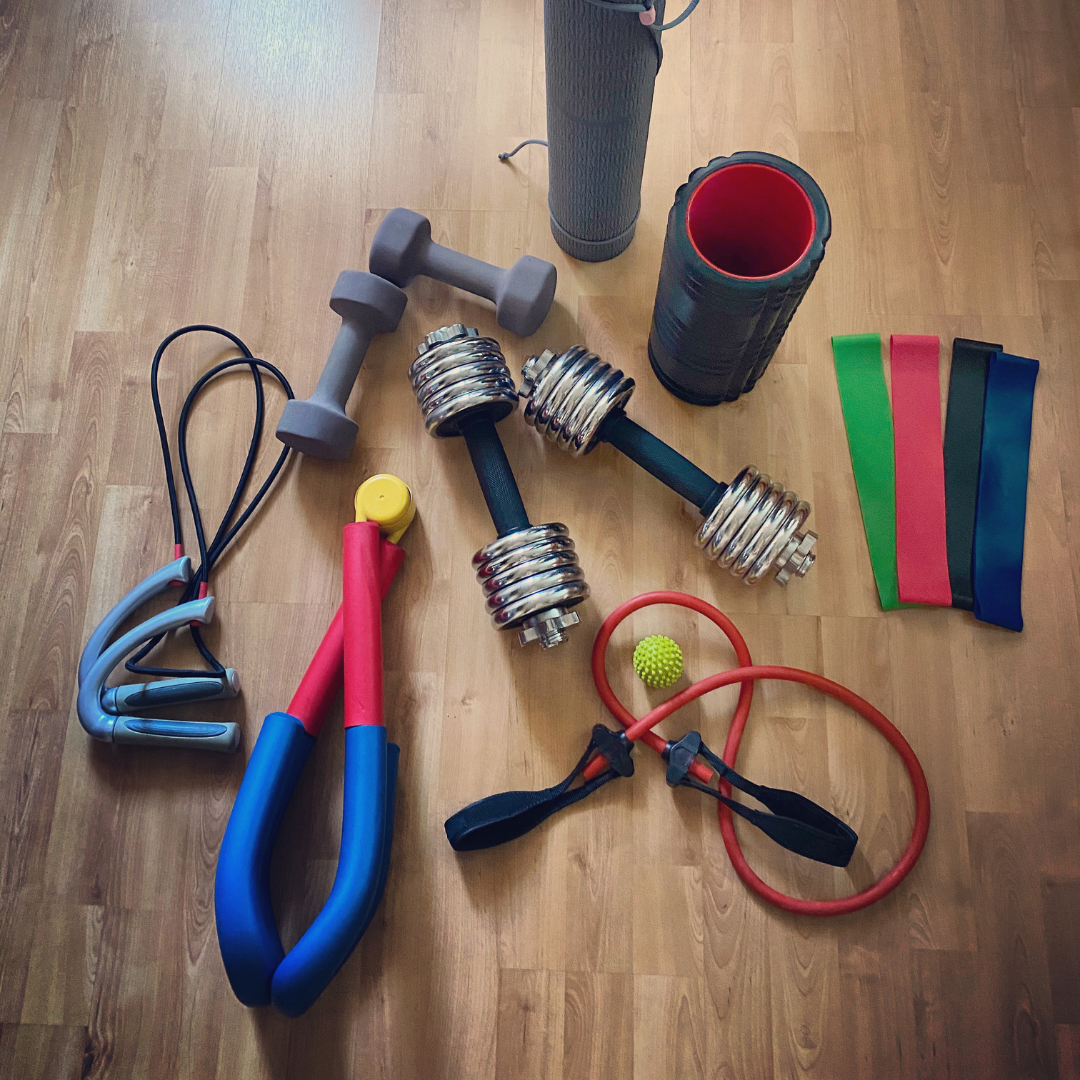
Accessory equipment enhances workout quality and safety. Resistance bands offer portable, adjustable resistance useful for warm-ups, rehab, or added difficulty. Stability balls improve core strength and balance during exercises.
Foam rollers assist muscle recovery and prevent injury. Weight benches support exercises with free weights or cable attachments, available in flat, incline, or decline forms.
Adding mats protects floors and offers comfort for bodyweight or floor exercises. These items complement primary gym equipment, ensuring effective and versatile training sessions.
Building Your Ideal Home Gym Setup
An effective home gym setup balances the right equipment for varied workouts, supports long-term progress, and adapts as fitness goals evolve. The choices made now will affect usability, space, and motivation for the entire fitness journey.
Creating a Balanced Equipment Mix
A balanced home gym includes equipment targeting strength, cardio, and flexibility. Strength training tools might include adjustable dumbbells, kettlebells, and a power rack or bench press. Cardio options could be a treadmill, a stationary bike, or a jump rope.
Flexibility and recovery tools such as yoga mats, foam rollers, and resistance bands help prevent injury. Prioritizing essentials that cover multiple muscle groups and movement types reduces clutter and maximizes workout variety.
Space constraints and personal preference also guide selection. For example, if space is limited, compact or foldable equipment is preferable. Ensuring equipment fits the workout environment promotes consistency.
Choosing for Growth and Versatility
Equipment chosen for versatility supports various exercises and skill levels. Adjustable dumbbells or resistance bands are adaptable as strength improves. Machines that adjust resistance rather than fixed-weight options allow gradual progress.
Selecting multifunctional gear like a power rack that supports squats, pull-ups, and bench presses makes the setup more useful. This adaptability prevents the need for frequent, expensive upgrades.
It is important to buy slightly above current ability to enable progression. Avoid equipment that meets immediate needs but becomes obsolete quickly. This approach guards against wasted space and investment.
Maintaining and Expanding Over Time
Regular maintenance of equipment extends its life and ensures safety. Cleaning the sweat, lubricating moving parts, and inspecting wear prevent breakdowns. Keeping a schedule for maintenance supports a reliable workout environment.
Expansion plans should consider space and budget. Adding complementary items like a rowing machine or plyometric platform can address evolving goals. Tracking progress helps identify which equipment to add or replace.
Flexibility to scale and adjust encourages continued engagement. Periodic reassessment of the setup ensures it remains aligned with their fitness journey needs.